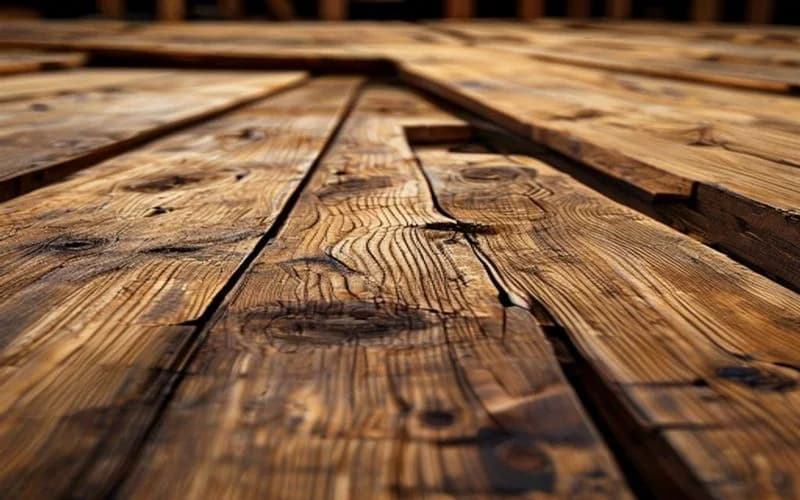
Teak Marine Plywood: BS 1088 Standards, Oil Content, and Epoxy Bonding
Teak is the ultimate marine wood. Explore the physics of Teak marine plywood, how to meet BS 1088 specs, and the chemistry required to bond oily teak using epoxy.
Giang Nguyen
Wood Manufacturing Expert
The Ultimate Marine Wood: Burmese Teak
Burmese Teak (*Tectona grandis*) is the gold standard of marine construction. No other wood species matches its combination of natural oil content, silica density, dimensional stability, and resistance to fungal rot and wood-boring insects. In the yachting and high-end outdoor construction markets, Teak marine plywood is the ultimate material choice.
But Teak marine plywood is also the most expensive sheet good in the world, with a single 3/4-inch BS 1088 certified panel costing anywhere from $350 to $600. Working with this material requires an understanding of marine engineering standards, specialized blade geometries to handle its high silica content, and chemical surface preparation to ensure that adhesives and epoxy resin can bond to its oily fibers. Let's look at the material science of Teak marine panels.
The BS 1088 Marine Standard: Core and Veneer Rules
To be sold as genuine marine plywood under the BS 1088:2003 standard, the panel must meet strict structural criteria. You cannot simply glue a teak veneer face onto a cheap pine core and call it marine-grade. Here is what a true BS 1088 Teak panel features:
- Face Veneer: Genuine Teak, minimum 1.3mm thick after sanding. This is significantly thicker than the 0.5mm veneers used on commercial cabinet panels, allowing the wood to be sanded multiple times during its service life on a boat deck.
- Core Species: Okoume, Meranti, or Teak throughout the entire panel. The core plies must have the same natural durability rating as the face.
- Void-Free Core: Zero core voids, gaps, or overlapping plies are permitted in the inner layers. If moisture enters a core void, it will trap water and initiate rot from the inside out.
- Adhesive: Phenol-formaldehyde (phenolic) or equivalent WBP resin that can withstand a 72-hour boiling test without delamination.
When buying Teak marine plywood, look for the Lloyd's Register stamp of approval on the edge or face of the sheet, which verifies that the mill has been audited to meet these strict marine standards.
Physical and Mechanical Specifications
Teak is a heavy, dense hardwood with exceptional stability under moisture swings:
| Property | Teak Marine Plywood (BS 1088) | Okoume Marine Plywood | Baltic Birch (18mm) |
|---|---|---|---|
| Density (kg/m³) | **650–720** | 430–480 | 680–720 |
| Janka Hardness (lbf) | **1,070** | 400 | 1,260 |
| MOR (Strength - MPa) | **95** | 65 | 74 |
| MOE (Stiffness - MPa) | **11,800** | 8,500 | 11,500 |
The Silica Hazard: Why Teak Destroys Carbide Blades
Teak trees absorb high amounts of silica (silicon dioxide) from the tropical soils in which they grow. This silica crystallizes within the cellular structure of the wood, acting as a built-in abrasive. Cutting teak is equivalent to cutting fine-grit sandpaper.
Standard steel saw blades will dull within a few feet of cutting teak. Even standard carbide blades will wear quickly. To cut teak marine panels cleanly without burning the edges or causing tear-out on the thick face veneer:
- Use only premium, micro-grain carbide-tipped blades with a Triple Chip Grind (TCG) configuration, which is designed to handle abrasive materials.
- Run your tools at a lower RPM to reduce heat buildup, which accelerates tool wear.
- Keep a dedicated blade for teak cuts and send it for sharpening regularly.
[CTA BUTTON: Check Current Price on Amazon]
The Chemistry of Bonding Oily Teak
Teak is naturally saturated with tectoquinones (natural oils) and resins that make the wood highly water-repellent. While this is great for rot resistance, it is a nightmare for glue joint durability. Standard wood glues (PVA) and even standard epoxies will fail to bond to teak because the natural oils prevent the adhesive from penetrating the wood fibers.
To achieve a permanent, marine-grade bond with epoxy resin, you must chemically prep the teak surface using this three-step process:
- Dry Sanding: Sand the joint area with 80-grit paper to open the wood pores and expose fresh wood fibers. Wipe away all dust.
- Solvent Wipe: Wipe the joint down with acetone or methyl ethyl ketone (MEK) using a clean, lint-free rag. The solvent will dissolve and strip the natural oils from the surface layer of the wood. You will see the rag turn yellow-brown as it picks up the oils. Repeat until the rag comes away clean.
- Immediate Glue-up: Apply your epoxy resin within 15 minutes of the solvent wipe. If you wait longer, the natural oils inside the wood will migrate back to the surface, re-contaminating the joint. Use a marine-grade epoxy (like West System 105/205) thickened with colloidal silica filler to bridge any gaps in the joint.
Finishing and Maintenance of Marine Teak
In marine environments, you have two options for finishing Teak plywood: raw weathering or clear varnishing.
Raw Weathering
If left unfinished, teak will slowly oxidize under the sun's UV rays, turning a classic silvery-grey color. The natural oils inside the wood will protect it from rot even without a finish. To maintain raw teak, wash it regularly with salt water and a soft brush. Avoid using harsh chemical two-part teak cleaners, as they strip the soft wood fibers, leaving the surface rough and ridges exposed.
Marine Varnish (Brightwork)
If you want to keep the gorgeous golden-brown look of finished teak, you must apply a high-solids marine spar varnish (like Epifanes Clear Gloss Varnish). Because teak is oily, you must apply a thinned sealer coat first to ensure adhesion. Expect to apply at least 6 to 8 coats of varnish, and sand lightly between coats to build a thick UV barrier. You will need to apply a maintenance coat every 12 to 18 months in sunny climates.
Common Questions
Can I use teak plywood for indoor shower stalls?
Yes, if it is true BS 1088 marine teak plywood and all edges and backs are completely sealed with marine epoxy. The natural water resistance of teak makes it a luxury choice for wet rooms, but the panel must be installed with proper ventilation to allow the wood to dry between uses.
What is the difference between plantation teak and Burmese teak?
Plantation teak is grown in managed forests (often in Central America or Africa) on short rotations. It is cheaper and more sustainable, but it has lower oil and silica content, wider growth rings, and lower rot resistance than slow-growth, wild Burmese teak. True BS 1088 marine panels usually specify wild or old-growth teak for maximum durability.
How do I store teak marine plywood?
Store panels flat on dry wooden spacers in a climate-controlled room. Keep them completely covered with an opaque tarp to protect the faces from UV light, which will oxidize the golden-brown color to grey even indoors.
Bottom Line
Teak marine plywood is the ultimate material for marine applications. Its high oil and silica content offer unmatched rot resistance but require specialized cutting tools and acetone surface prep for secure epoxy bonding. If you are building a yacht deck or high-end outdoor furniture, accept no substitutes.
[CTA BUTTON: Check Current Price on Amazon]
Want to see our testing in action?
Browse our expert-tested standing desk reviews with real lab data.
Explore Reviews