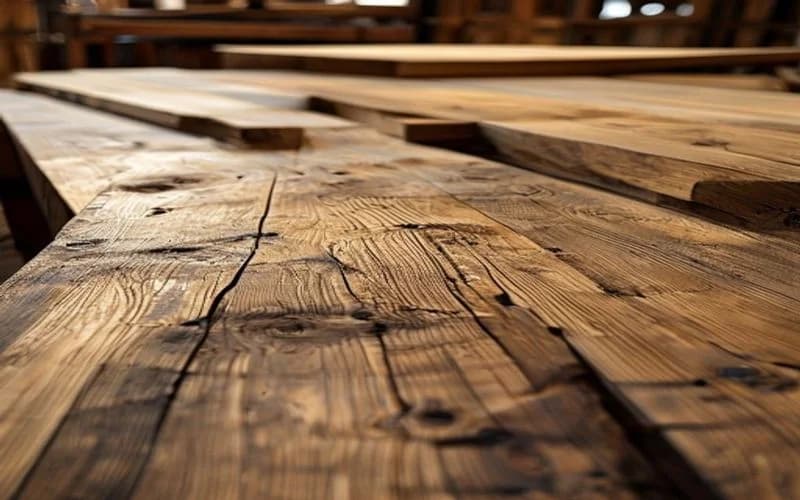
Plywood Furniture Finish Guide: Oil vs Polyurethane
Learn how to finish plywood edges and faces using rub-on oils, waxes, and durable water-based clear coats.
Giang Nguyen
Wood Manufacturing Expert
Finishing Your Plywood Projects
Applying the right finish protect the plywood veneer from stains while enhancing the wood grain. Because plywood edges contain cross-sections of open wood pores, finishing plywood requires a slightly different approach than finishing solid wood.
Best Finishes for Plywood
- Water-Based Polyurethane: The best overall finish for desktops and tabletops. It dries clear (does not yellow Birch), provides excellent scratch resistance, and dries in 2 hours.
- Rub-On Hardwax Oils (e.g., Rubio Monocoat, Osmo): Perfect for a natural wood feel. It bonds molecularly to the wood fibers in one coat, highlighting the grain without creating a thick plastic layer on top.
- Wiping Varnishes (Gel Stain / Arm-R-Seal): Offers deep warmth and ambering, best for plywood with Walnut or Cherry face veneers.
Pro Edge finishing Trick
Plywood edges absorb liquid finish like a sponge. Before applying your topcoat, seal the edges with a washcoat of shellac or a 50/50 mix of wood glue and water. Sand this sealer flat with 220-grit paper. This blocks the open grain pores, ensuring your final topcoat applies smoothly without soaking in unevenly.
Want to see our testing in action?
Browse our expert-tested standing desk reviews with real lab data.
Explore Reviews