CNC & Laser
8 min
· 2026-07-11CNC Plywood Dust Collection: Setup Guide for Clean Cuts
Minimize airborne dust and keep your workshop safe when milling plywood with these dust boot and vacuum tips.
Affiliate Disclosure: When you buy through links on our site, we may earn an affiliate commission at no extra cost to you. We strictly review items based on real material science testing.
GN
Giang Nguyen
Wood Manufacturing Expert
The Plywood Dust Challenge
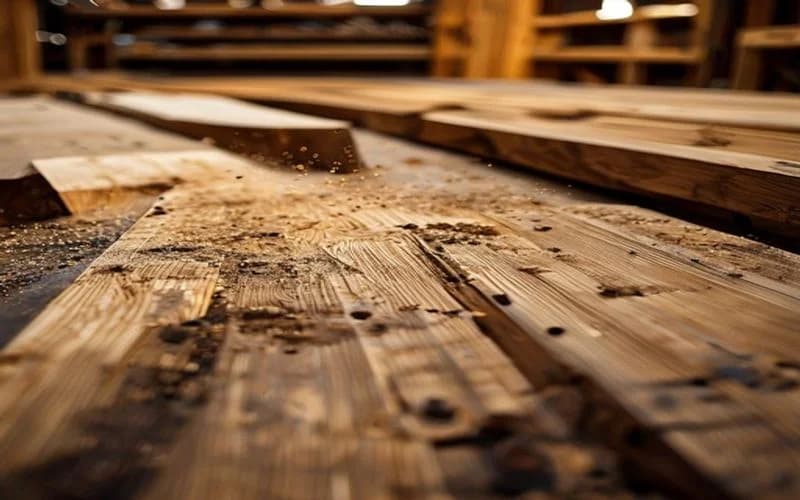
Milling plywood on a CNC router generates massive amounts of airborne dust. Unlike solid wood, which produces heavier chips, plywood generates fine, lightweight dust because of the adhesive layers and thin plies.
Breathing this dust is hazardous (urea-formaldehyde resin exposure). Implementing a high-efficiency dust collection system is critical for your lungs and the life of your CNC linear rails.
Core Components of a CNC Dust System
- The Dust Boot (Dust Shoe): This mounts directly to the CNC spindle. It surrounds the cutting bit with a flexible brush that rides on the plywood surface, trapping dust at the source. Clear acrylic boots are best so you can monitor the cut.
- The Collector Hose: Use a 2.5" (desktop CNC) or 4" (industrial CNC) static-dissipative grounding wire hose. Plywood dust moving through plastic hoses creates static electricity, which can trigger electromagnetic interference (EMI) and crash your CNC controller.
- Cyclone Separator: Place a cyclone separator (like a Dust Deputy) between the CNC and your shop vacuum. The cyclone pulls 99% of wood chips into a bucket before they reach your vacuum filter, maintaining maximum suction.
Want to see our testing in action?
Browse our expert-tested standing desk reviews with real lab data.
Explore Reviews