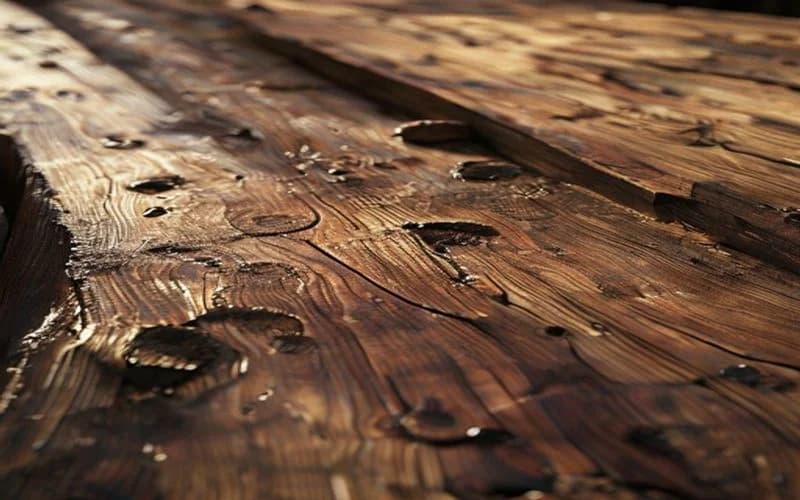
Cherry Veneer Plywood: Oxidation, Gum Spots, and Finishing Secrets
Cherry plywood ages like fine wine. Learn the science of UV oxidation, how to handle pitch pocket defects, and how to avoid blotchy finishes on this classic American hardwood.
Giang Nguyen
Wood Manufacturing Expert
The Warm Classic: Black Cherry Plywood
Black Cherry (*Prunus serotina*) is one of the most beloved furniture woods in American history. It features a fine, closed grain, a smooth satiny texture, and a warm, reddish-brown color that deepens over time. Cherry veneer plywood is widely used in high-end libraries, dining room furniture, and classic style cabinetry.
However, cherry is a dynamic material that presents unique challenges in the shop. It oxidizes rapidly under light, it is prone to natural defects called gum pockets, and its closed-grain structure makes it notoriously difficult to stain without blotching. Let's look at the wood science behind Cherry plywood faces so you can achieve a flawless finish.
Physical and Mechanical Specifications
Cherry is a medium-density hardwood, similar in weight to walnut but harder and more flexible, making it highly durable for furniture construction:
| Property | Cherry Veneer Plywood | Walnut Veneer Plywood | Red Oak Veneer Plywood |
|---|---|---|---|
| Density (kg/m³) | **560–600** | 580–620 | 620–680 |
| Janka Hardness (lbf) | **950** | 1,010 | 1,290 |
| MOR (Strength - MPa) | **85** | 85 | 98 |
| MOE (Stiffness - MPa) | **10,300** | 10,800 | 11,200 |
The Oxidation Phenomenon: Aging Like Fine Wine
The most famous characteristic of cherry wood is its color shift. When freshly sliced or sanded, cherry veneer is a pale, creamy pinkish-tan. But when exposed to light and oxygen, the wood undergoes a rapid chemical oxidation process that darkens it to a rich, warm, reddish-brown.
This oxidation happens fast. If you leave a freshly cut cherry plywood panel on your workbench with a tool sitting on top of it, within 24 hours of exposure to shop lights, you will lift the tool to find a pale silhouette burned into the wood. To manage this oxidation:
- Keep all cut parts covered or stacked face-to-face in a dark corner of your shop until you are ready to finish the project.
- Avoid using stain to make cherry look "old." Stained cherry often looks muddy; let natural light darken the wood over a few months for a cleaner look.
- Warn clients that the color they see on day one is not the color they will see on day ninety.
[CTA BUTTON: Check Current Price on Amazon]
Gum Spots and Pitch Pockets: Flaw or Feature?
Cherry trees produce a natural resin called gum to seal wounds. When slicing cherry veneer, this resin shows up as small, dark-brown or black lines and spots. These are called gum spots or pitch pockets.
HPVA grading standards allow for gum spots even in premium grades, but their size and frequency are limited. Let's look at the tolerances:
- Grade A (Premium): Small, isolated gum spots are allowed (maximum 1/16 inch wide and 1 inch long). They must be blended and not clustered.
- Grade B (Good): Larger gum spots are allowed, but they must not be open or structural.
- Grade C/D (Utility): Unlimited gum spots, open splits, and color variations are permitted.
Some woodworkers love gum spots because they prove the authenticity of the cherry veneer. Others find them distracting. If you are building a modern, clean piece, inspect your sheets at the lumber yard to select panels with minimal gum figure.
Machining and Sanding: The Burn Hazard
Cherry is a fine-textured wood that is highly susceptible to friction burning. If your saw blade stops or slows down during a cut, or if you run your CNC router bit at too high an RPM with too slow a feed rate, the wood will burn, leaving dark black scorch marks.
Cherry burns are deep and difficult to sand out. To avoid them:
- Keep your saw blades clean of pitch buildup (use a dedicated blade cleaner).
- Maintain a steady feed rate through your cuts. Do not stop midway.
- Sand with care. Cherry veneer is thin, and because it is closed-grained, sand-through spots are highly visible under a clear coat.
Preventing Blotchy Finishes
Cherry is notorious for blotching when stained. Because the wood has varying density within its grain structure, it absorbs liquid stains unevenly. If you apply a dark oil stain directly to raw cherry plywood, the surface will look blotchy and muddy.
To get a clean, even finish on cherry, follow this process:
- Use a Washcoat: Apply a thin washcoat of shellac (dewaxed shellac diluted to a 1-lb cut) or a commercial wood conditioner to seal the softest pores.
- Use Gel Stain or Dyes: If you must add color, use gel stains (which sit on top of the wood rather than soaking in) or spray-apply alcohol-based aniline dyes, which coat the fibers uniformly.
- Clear Coat: Apply a clear finish like shellac, lacquer, or polyurethane. Cherry looks best under finishes that have a slight amber tint, which enhances the warm reddish tones as the wood oxidizes.
Common Questions
Why does my cherry plywood look green in some spots?
This is called heartwood-sapwood streak. Cherry sapwood is pale yellow-green when freshly cut. While A-grade faces limit sapwood, some green streaks may still be visible. These streaks will slowly darken to a golden-tan over time, but they will never match the deep red of the heartwood. Staining or toning is required if you want uniform color.
Can I speed up the darkening of cherry plywood?
Yes. You can leave the finished project in direct sunlight (rotate it regularly to prevent shadow marks) or wipe the raw wood with a mild solution of baking soda and water. The alkaline baking soda reacts with the natural tannins in the cherry, accelerating the oxidation process.
What wood is best for face frames matching cherry plywood?
Solid Black Cherry lumber is the only correct choice. Avoid using alder or birch stained to match; while they have a similar grain texture, they will not oxidize at the same rate as the cherry plywood face, leading to a mismatched look after a few years.
Bottom Line
Cherry veneer plywood is a classic material that adds warmth and class to any project. Respect its tendency to oxidize, protect it from saw burns, and seal the grain with a washcoat before staining to ensure a rich, blotch-free finish that deepens with age.
[CTA BUTTON: Check Current Price on Amazon]
Want to see our testing in action?
Browse our expert-tested standing desk reviews with real lab data.
Explore Reviews