Autonomous SmartDesk Pro vs Uplift V2 Solid Wood Standing Desk
Expert material science comparison — Walnut Veneer vs Rubberwood
Autonomous
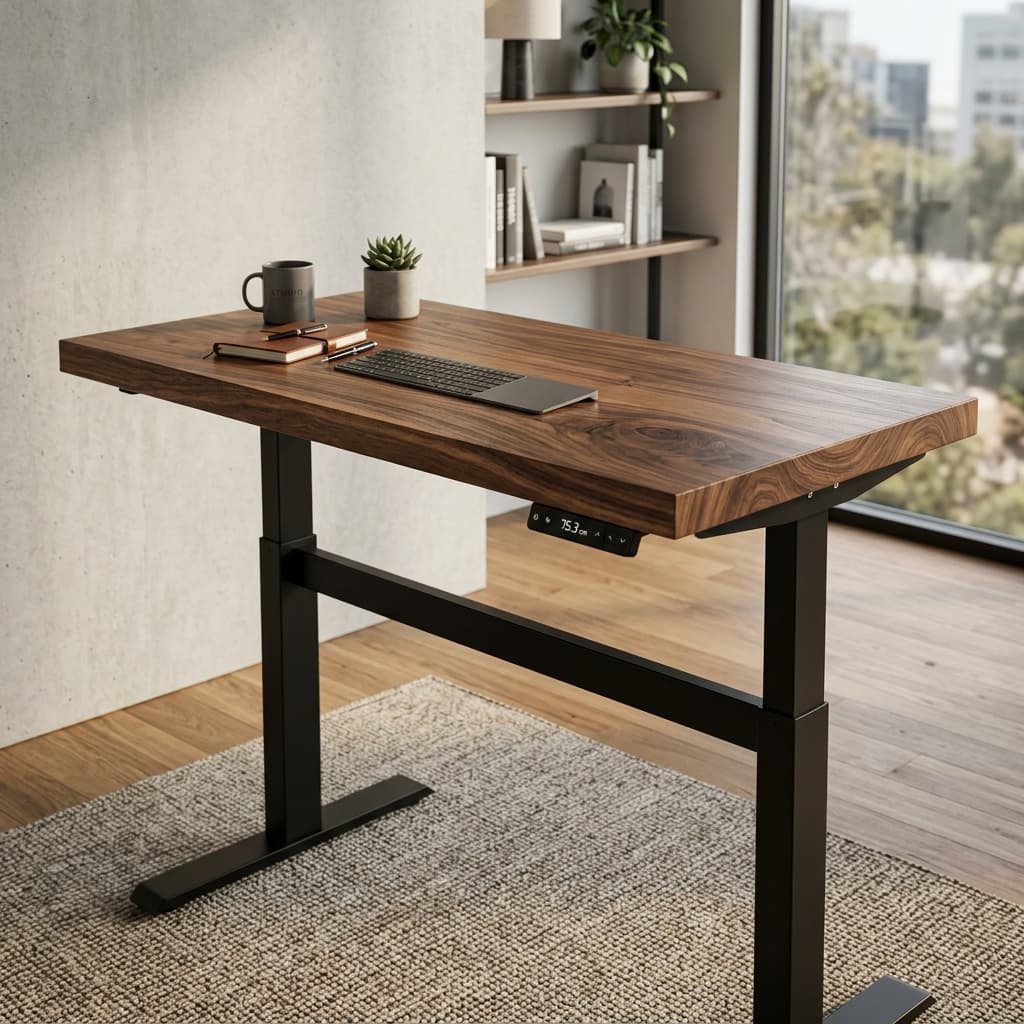
8.6
Autonomous SmartDesk Pro
Walnut Veneer · $699
VS
UPLIFT
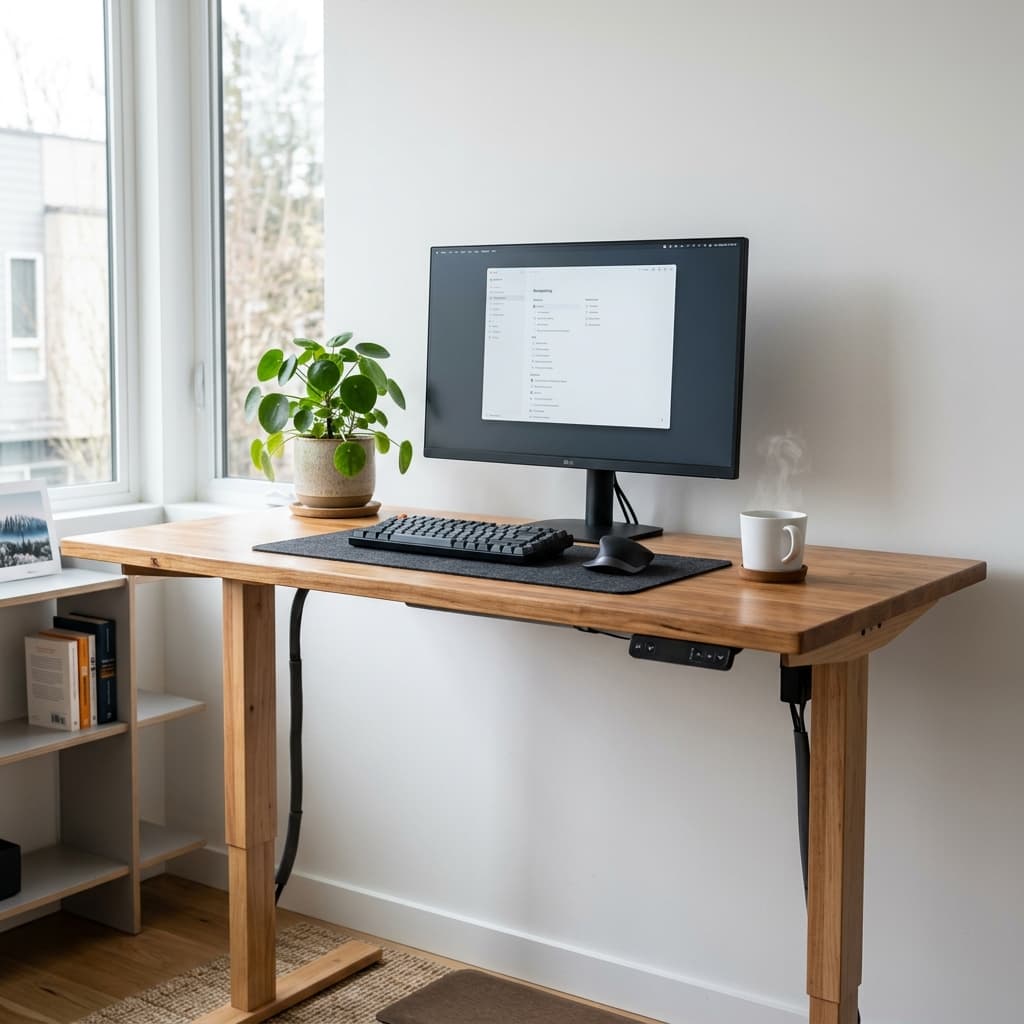
9.2
Uplift V2 Solid Wood Standing Desk
Rubberwood · $799
Score Breakdown
Material Quality
8.8/10
9.5/10
Stability
8.5/10
9.3/10
Value for Money
8/10
8.8/10
Overall
8.6/10
9.2/10
Specifications
| Spec | Autonomous | UPLIFT |
|---|---|---|
| Desktop Material | Walnut Veneer over High-Density MDF | Solid Rubberwood (FSC Certified) |
| Veneer Thickness | 0.6mm American Black Walnut | — |
| Desktop Thickness | 1.25" (32mm) | 1.75" (44mm) |
| Density | 680 kg/m³ (composite) | 610 kg/m³ |
| Height Range | 26.2" - 52.0" | 25.3" - 50.9" |
| Load Capacity | 310 lbs | 355 lbs |
| Motor | Dual motor, 1.3 in/sec | Dual motor, 1.5 in/sec |
| Noise | 44 dB | 45 dB |
| Warranty | 7-year frame, 1-year desktop | 15-year frame, 5-year desktop |
| Coating | — | 5-layer UV-cured polyurethane |
| Certifications | — | FSC, CARB Phase 2, BIFMA |
| Price | $699 | $799 |
Autonomous — Pros & Cons
Genuine American Black Walnut veneer — stunning grain
Premium executive aesthetic
Quiet dual motors (44dB)
Good MDF core density (680 kg/m³)
Veneer can chip if edges are impacted
More wobble at max height vs Uplift V2 (1.8mm)
MDF core is not as durable as solid wood
UPLIFT — Pros & Cons
Exceptional rubberwood quality (610 kg/m³ density)
Best-in-class stability at max height (0.8mm wobble)
FSC Certified + CARB Phase 2 compliant
5-layer UV-cured coating — scratch resistant
Premium price point ($799+)
Heavy — requires two-person assembly (85 lbs desktop)
Limited color options for solid wood top
Our Winner: Uplift V2 Solid Wood Standing Desk
The benchmark for solid wood standing desks with outstanding surface finish.
Read Full Review